
How Napa Valley Became the Most Famous Wine Country in America

If you ask someone to name a wine region, chances are Napa Valley will be one of the first places that comes to mind.
Today, Napa is synonymous with American wine. Its rolling vineyards, grand tasting rooms, luxury resorts, celebrated restaurants, and world-renowned Cabernet Sauvignon have made it one of the most recognizable wine destinations on the planet.
But Napa Valley wasn't always a global wine destination.
In fact, much of Napa's rise to fame happened within the last century. Its transformation from a relatively small agricultural region into one of the world's most famous wine countries is a story of pioneering winemakers, collaboration, smart marketing, exceptional terroir, and one legendary blind tasting in Paris.
So, how did Napa Valley become so famous?
Let's uncork the story.
Napa's Wine Story Started Long Before It Became Famous
Wine grapes have been grown in Napa Valley since the 1800s, with some of the region's earliest commercial vineyards dating back to the mid-19th century. The first commercial winery in Napa Valley was established in 1861.
By the late 1800s, Napa had a growing wine industry. But its success was anything but guaranteed.
Phylloxera, economic downturns, changing consumer preferences, and eventually Prohibition severely disrupted California's wine industry.
When Prohibition ended in 1933, Napa's wine industry had to rebuild.
A handful of vintners persevered. Louis M. Martini opened his winery in 1933, Beringer and Beaulieu Vineyards returned to production, and other pioneering producers slowly helped restore Napa's reputation.
The comeback was underway.
But Napa still needed something more: a collective vision for what the region could become.
The Napa Valley Vintners Changed the Game
One of the most important moments in Napa's development happened in 1944, when seven vintners came together to establish the Napa Valley Vintners trade association.
The idea was simple but powerful: Napa's wineries would be stronger working together than working alone.
The group promoted Napa wines, welcomed visitors, advocated for the region, and helped create a shared identity around Napa Valley wine.
By the late 1940s and early 1950s, Napa's vintners were already intentionally bringing visitors to the valley through events and wine-focused experiences.
That matters because Napa didn't simply become famous because it produced good wine.
Napa learned how to turn wine into an experience.
That distinction would become incredibly important.
Robert Mondavi Helped Define Modern Napa

Then came one of Napa's most influential figures: Robert Mondavi.
When Mondavi established his own winery in 1966, he was part of a new generation of California winemakers who believed American wine could compete with the world's finest.
Mondavi wasn't interested in making Napa feel like a copy of France. He wanted California to develop its own identity while adopting the quality standards and winemaking discipline associated with the Old World.
He also understood something that would become central to Napa's success:
People don't just want to drink great wine. They want to understand it, experience it, and remember where they drank it.
Napa's emphasis on hospitality, education, food, wine, and beautiful surroundings helped transform the region into a destination rather than simply a place where grapes were grown.
And then, in 1976, everything changed.
The 1976 Judgment of Paris Put Napa on the World Stage
If there is one event that every wine lover should know when learning about Napa Valley, it's the Judgment of Paris.
On May 24, 1976, British wine merchant Steven Spurrier organized a blind tasting in Paris comparing California wines with some of France's most prestigious Bordeaux and Burgundy wines.
The expectation was that the French wines would win.
They didn't.
Two California wines took first place in their respective categories:
- 1973 Chateau Montelena Chardonnay
- 1973 Stag's Leap Wine Cellars Cabernet Sauvignon
Both were from Napa Valley.
The results challenged one of wine's most deeply held assumptions: that truly great wine had to come from France.
Suddenly, Napa Valley had international credibility.
The tasting didn't create Napa's wine industry. Napa had already spent decades developing its vineyards, wineries, talent, and reputation.
But the Judgment of Paris gave Napa something it hadn't had before:
global attention.
Cabernet Sauvignon Became Napa's Calling Card
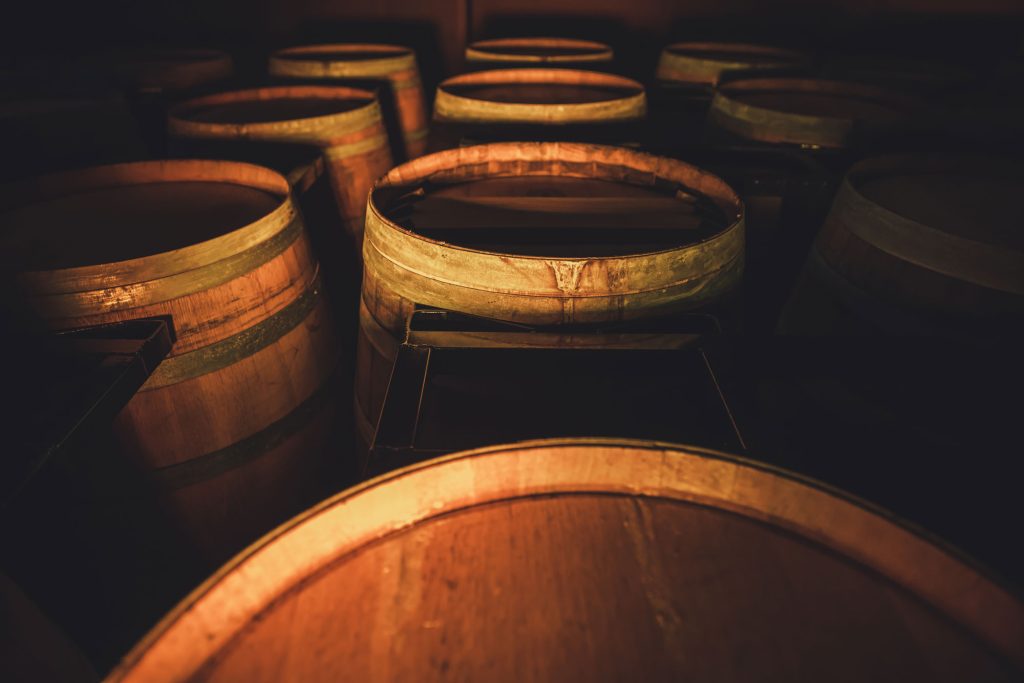
While Napa produces many different grape varieties, Cabernet Sauvignon became the region's signature wine.
And for good reason.
Napa's warm days, cool nights, diverse soils, elevation changes, and varied microclimates can create Cabernet Sauvignon with concentrated fruit, structure, depth, and aging potential.
The 1976 victory of Stag's Leap Wine Cellars' Cabernet Sauvignon reinforced the idea that Napa could produce world-class Bordeaux-style reds.
As Napa's reputation grew, Cabernet increasingly became the wine associated with the region.
Today, when many people think "Napa," they think:
Cabernet Sauvignon.
And when they think Cabernet Sauvignon, Napa is often one of the first regions that comes to mind.
Napa Didn't Just Sell Wine. It Sold the Wine Country Experience.
This is perhaps the biggest reason Napa became such a famous wine destination.
Napa Valley developed an experience around wine.
Visitors could spend the day moving from vineyard to vineyard, tasting wine while looking out over beautiful landscapes, then finish the evening at a destination restaurant or luxury hotel.
The region's wine tourism infrastructure grew alongside its reputation.
Restaurants, resorts, tasting rooms, wine tours, culinary experiences, and events transformed Napa into somewhere people traveled specifically to experience wine.
The growth of destinations such as Domaine Chandon's restaurant, The French Laundry, and Mustards Grill helped establish the connection between Napa wine, food, and hospitality.
And that's a huge part of Napa's appeal.
You aren't simply visiting wineries.
You're visiting wine country.
The Luxury Factor Took Napa to Another Level
As Napa's reputation grew, so did the value associated with its wines.
Luxury wineries, destination restaurants, boutique hotels, resorts, and highly allocated Cabernet Sauvignon helped position Napa as a premium travel destination.
Wine became intertwined with luxury travel.
A trip to Napa could mean a private tasting, a vineyard lunch, a chef-driven dinner, a spa afternoon, and a bottle of Cabernet that cost more than the average dinner.
That combination helped Napa move beyond traditional wine tourism.
It became a luxury lifestyle destination.
Napa's Influence Goes Beyond Napa
Perhaps the most interesting part of Napa's story is that its success helped change the global wine industry.
The Judgment of Paris challenged the idea that Europe had a monopoly on fine wine. California gained confidence, other American wine regions gained visibility, and emerging wine regions around the world benefited from the broader shift toward a more global wine culture.
Fifty years after the Judgment of Paris, the event is still remembered as a pivotal moment in American wine history.
And Napa remains one of the clearest examples of what happens when place, people, product, and storytelling come together.
So, Is Napa the Best Wine Country?
That's a much harder question.
Napa is certainly one of the world's most famous wine regions. But famous doesn't necessarily mean best.
There are extraordinary wine regions throughout California, Oregon, Washington, France, Italy, Spain, Portugal, South Africa, Australia, Argentina, Chile, and beyond.
And that's part of what makes wine so fascinating.
Napa's story isn't really about proving that Napa is better than everywhere else.
It's about understanding why Napa became Napa.
Because once you understand the history, that beautiful vineyard isn't just a beautiful vineyard.
You're looking at more than 150 years of experimentation, ambition, collaboration, agriculture, hospitality, and storytelling.
And suddenly, that glass of Napa Cabernet tastes a little more interesting.
The Wine Spencer Takeaway
The next time you're planning a trip to Napa, don't just ask:
"Which wineries should I visit?"
Ask:
"What story do I want to experience?"
Because every bottle has a story.
Decant the experience.